


A Windstorm Deductible is a separate deductible that applies when your home is damaged by wind, including high winds, hail, or named storms. Unlike your standard deductible, which is typically a flat dollar amount ($1,000 or $2,500), a windstorm deductible is usually calculated as a percentage of your home’s insured value.
For example, if your home is insured for $500,000 and your windstorm deductible is 2%, you would be responsible for the first $10,000 of any wind-related claim, regardless of your standard deductible.
Insurers introduced windstorm deductibles in coastal and storm-prone states following catastrophic losses from major hurricanes in the 1990s. By shifting a portion of the risk back to the homeowner through a percentage-based deductible, insurers calculated they could remain in the market and continue offering coverage. In Rhode Island, windstorm deductibles are most common for homes near the coast or in areas historically exposed to nor’easters and tropical storm activity.
Your windstorm deductible will appear on your policy’s declarations page. On this page, you will find an All Other Perils (AOP) Deductible, your standard flat deductible for most claims. Below that, you will see your Windstorm or Hail Deductible, the percentage-based deductible for wind and hail events. You will also see your Hurricane Deductible, a separate trigger that may apply specifically to named storms (see our separate post on hurricane deductibles). If you are unsure how to read your declarations page, your agent can walk you through it line by line. It is important to know these numbers before a storm, not after.
The difference between a flat and a percentage deductible matters more than many homeowners realize. With a flat deductible, you pay a set amount, and insurance covers the rest above that threshold. A percentage deductible scales with your home’s insured value, so it grows as your coverage limit increases over time. As construction costs have risen and dwelling coverage limits have been updated to reflect rebuild costs, the dollar amount of a percentage-based windstorm deductible has increased accordingly. A 2% deductible on a home insured for $300,000 ten years ago was $6,000. On the same home now insured for $450,000, that same 2% deductible is $9,000. A scenario like this is worth discussing with your agent at renewal.
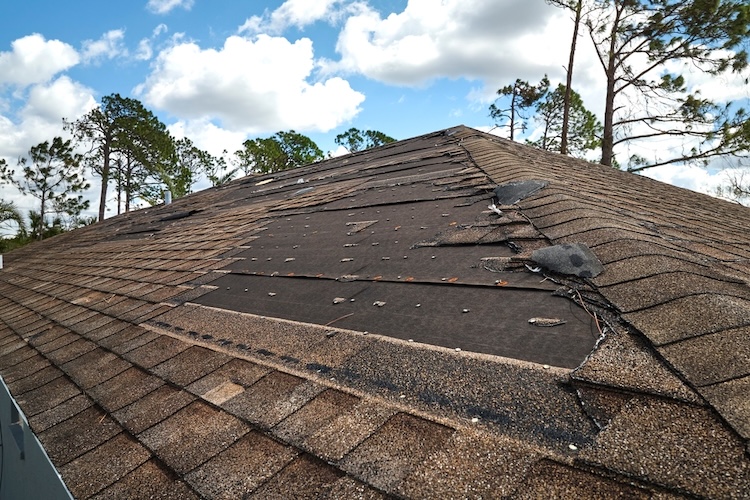
A windstorm deductible generally applies to damage caused by high winds from storms, nor’easters, or tropical systems. It will cover hail damage to your roof, siding, or windows, as well as wind-driven rain that enters through a wind-created opening. Damage from falling trees or limbs caused by wind is also covered.
It is important to note that wind-driven flooding—water that enters your home as a result of storm surge rather than wind—is typically not covered under your homeowner’s policy. That falls under flood insurance, which is a separate policy.
You can reduce your windstorm deductible percentage in exchange for a higher premium, or you can look into available credits for wind-mitigation improvements. For example, a newer roof in good condition or with impact-resistant roofing materials may help reduce your windstorm deductible, as well as reinforced or impact-rated windows and doors.
Knowing your deductible, understanding how it is calculated, and reviewing it at renewal places you in a better position when a storm hits. You should also ask your agent whether your carrier offers a wind-mitigation inspection or credit program. Some improvements not only reduce your deductible exposure but may also lower your overall premium. Your independent agent will flag this for you and explain exactly what your out-of-pocket exposure looks like under different claim scenarios. That conversation is worth having before you need it.
